Create a Cozy Outside with Classic Cozy Soft Lights and Permanent LEDs
An inviting exterior rarely comes from brightness alone. It comes from restraint, warmth, and positioning. The homes that really feel most welcoming at sundown are generally not the ones saturated in cool white light or outlined so strongly that every roofline screams for interest. They are the ones that glow. The porch looks risk-free without feeling professional. The eaves bring a mild halo. Sidewalks are easy to browse, yet the landscape design still maintains its darkness and depth.
That effect is specifically why extra property owners are requesting for Standard Warm Soft Lighting in permanent systems rather than treating exterior lights as a momentary vacation job or a patchwork of year round permanent led lighting different fixtures. A tactical Permanent LED Lights Setup can provide a home a refined, comfortable appearance all year, and it can still pivot into cheery displays when the season asks for it. Done right, Long-term Vacation Lights do not have to look flashy or business. They can look timeless.
The secret is understanding that relaxing is a style choice, not a product label. You can get premium components and still wind up with a rough result if the color temperature is as well amazing, the spacing is incorrect, or the illumination is set much above what the house really needs. On the various other hand, an attentively developed system with warm outcome and very discreet hardware can warm white roofline permanent LED make even a small front elevation really feel richer and a lot more settled after dark.
The difference between bright and inviting
A common blunder in outside illumination is assuming visibility and comfort are the same point. They are not. Brightness aids people see. Warmth helps people feel at ease. Homes require both, but they rarely require optimum output.
Think regarding a restaurant outdoor patio on a great evening. The areas individuals wish to remain are generally lit with amber-toned sconces, candlelight, and soft expenses string lighting. Nobody says, "This really feels comfy since I can see every surface like I'm in a food store parking area." Residential outsides function the same way. The goal is not to remove nighttime. The goal is to shape it.
Classic Cozy Soft Lights have a tendency to land in the shade array that flatters natural materials. Block looks richer. Cedar and discolored wood stop looking gray. Cream house siding appears luscious instead of raw. Stone gets appearance. Also evergreens and foundation hedges find out more naturally under warmer light than they do under icy blue-white LEDs.
There is also a useful side. Overly cool outside lighting can produce even more glow, specifically on wet sidewalk, glossy trim, steel gutters, and windows. That glare makes a home appearance harder, not softer. It can also make the front entry less comfortable for guests coming close to from the road, due to the fact that the eye keeps changing between brilliant points and dark gaps.
Why long-term lighting has moved beyond holiday décor
A years back, many house owners associated permanent roofline lighting with something: getting rid of the yearly headache of climbing up ladders to hang holiday strands. That is still a significant factor individuals invest in Permanent Holiday Lighting, and it is an excellent one. But the group has matured.
Today's systems can be refined enough to go away against the design throughout the day and flexible adequate to sustain low-output daily scenes in the evening. That implies the same installment can take care of a quiet amber-white radiance in October, a conventional vacation combination in December, team shades during a playoff run, and a soft spring establishing for backyard dinners. The system enters into the home instead of a once-a-year accessory.
This issues for curb appeal. Short-lived strands often sag, move, or rest visibly proud of the fascia. Extension cords discover the nearby electrical outlet whether or not it is aesthetically convenient. Clips break. Areas fail. By comparison, a specialist Long-term LED Illumination Setup is generally installed in a network or track created to straighten with soffits and roofing system edges. When the installer recognizes coating carpentry and sightlines, the components can be virtually unnoticeable from the road in daylight.
That daytime invisibility is what separates a tasteful irreversible arrangement from one that looks like a commercial retrofit. The best tasks never ask your house to end up being a signboard. They sustain the style that is already there.
Warm easy work because it respects the house
Every home has an aesthetic language. A colonial with dark shutters, an artisan with exposed rafter tails, and a newer farmhouse with black windows all respond in a different way to outside lighting. Still, one principle cuts across styles: cozy light has a tendency to complement rather than compete.
On standard homes, warm roofline lights can resemble the glow of old incandescent bulbs without the upkeep migraines. On newer builds, it softens sharp lines and keeps white trim from feeling sterile. On cabins, cottages, and homes with timber or rock components, cozy outcome can make the entire façade really feel deeper and even more layered.
I have actually seen property owners hesitate because they assume permanent LEDs will certainly look too modern-day for their style. Normally that worry originates from having actually seen badly set systems readied to intense blue-white or rainbow patterns at full intensity. That is not a problem in irreversible LEDs themselves. It is a style selection, and typically not a very good one for daily use.
The much better technique is to treat your daily illumination scene nearly like a building finish. It must really feel lined up with your house siding, trim, roof, and front-door color. If your home currently has lantern-style patio fixtures in a cozy tone, your irreversible system ought to not fight them. It ought to sustain them.
Color temperature level is where most comfortable exteriors are won or lost
If there is one requirements that is worthy of more focus than any other, it is color temperature. Homeowners commonly concentrate on application features, automation, and holiday presets first. Those work, however they do not produce environment by themselves. Atmosphere starts with the high quality of the light.
For a cozy exterior, warmer setups usually surpass cooler ones. That does not imply every home should look orange. It means the light must lug adequate warmth to really feel domestic, flattering, and calm.
Here is a functional method to think of it:
- Around 2200K to 2700K typically gives the softest, most intimate glow, specifically on patios, soffits, and enjoyable spaces.
- Around 2700K to 3000K usually works well when house owners desire heat with a little bit more clarity for entries and pathways.
- Above 3500K can begin to feel noticeably cooler on most homes, specifically against rock, timber, and cozy paint colors.
- Daylight-toned settings, often 5000K and above, are seldom the ideal choice for a relaxing day-to-day outside scene.
There are exceptions. An extremely modern home with crisp products and marginal landscape design may support a slightly cooler white much more effectively than a brick bungalow or cedar-sided home. But also then, there is a difference in between clean and cool. Many homes gain from warmth.
Brightness matters just as much. Despite the proper shade temperature, way too much intensity can squash your home and ruin the state of mind. Numerous irreversible systems allow lowering by zone, which is where the real finesse occurs. Front gables might need just a fraction of the outcome required for a high second-story optimal. Lower roofing system areas near eye degree generally require much less light than individuals expect.
Placement shapes the experience more than property owners realize
A comfy outside does not originate from describing every square inch of the home. It comes from choosing where light needs to live. A few of the greatest irreversible setups use discerning focus instead of total coverage.
The front-facing roofline is usually the all-natural starting factor because it develops a mild structure. From there, the most effective enhancements depend on the home. A protected patio might gain from a low-output boundary radiance that sustains the major entrance. A garage elevation may need just enough light to maintain your home balanced from the street. A yard patio area may require its very own scene that is softer and extra intimate than the front.
Depth is important. If all the light is concentrated on a single line at the roof, the home can look level. However if that roofline glow is sustained by warm sconces, refined landscape accents, or under-eave illumination at different elevations, the result really feels layered and architectural.
One thing I encourage homeowners to avoid is attempting to solve every illumination requirement with one system. Long-term LEDs are outstanding for framework, seasonal adaptability, and wide aesthetic result. They are not always the best answer for every job. Step lights, veranda fixtures, and very carefully intended landscape lights still have a place. When each light source has a role, the house feels made up instead of over-lit.
The equipment matters, however the installer matters more
Not all Permanent LED Lights Installment job is equal. The item can be solid, weather-rated, and feature-rich, yet the finished appearance will still disappoint if the installer misses the aesthetic details.
Good installers take note of the angle of projection, the visibility of the track from the curb, the shade match with soffits and trim, and the means corners end. They comprehend drainage, development, securing approaches, and how to path power discreetly. They likewise comprehend shows well enough to set up scenes that make sense for daily living, not just for holidays.
A hurried work leaves hints. You observe irregular spacing. One corner shows up brighter than the remainder. Wire runs become visible near downspouts. The track sits reduced sufficient to capture your eye from nearby. These are not minor cosmetic concerns. They identify whether the system feels incorporated or tacked on.
When you meet with an installer, a couple of certain inquiries will certainly tell you a whole lot:
- Where will certainly the track being in connection to the fascia or soffit, and will it be visible from the road during the day?
- How do you take care of edges, changes, and power injection on longer runs?
- Can you show instances of cozy white day-to-day scenes rather than just vacation shade displays?
- What control options are readily available for lowering, zoning, and scheduling?
- How do you solution stopped working areas or components if something goes wrong later?
The solutions must be clear and specific. If the conversation remains at the level of "it'll look terrific" without discussing installing information, color control, or upkeep access, keep asking.
Permanent vacation lights can still feel sophisticated in December
Some homeowners fret that if they mount Permanent Vacation Lighting for year-round usage, they will certainly shed the appeal of traditional holiday decorating. Generally the opposite takes place. Because the facilities is currently in position, they get more control over the look and can keep it cleaner.
Warm white scenes are particularly efficient in the holiday since they do not date promptly. They couple well with wreaths, garlands, potted spruce, and natural structures. A controlled roofline in warm white with a somewhat brighter focus at the entrance typically looks more high end than a multicolor display screen performing at complete intensity from every edge.
That does not imply color has no area. It does. However color is strongest when utilized deliberately. A traditional red, green, and cozy white scheme can really feel nostalgic. Gem tones can work on bigger homes with longer troubles. Soft amber and sparkling wine tones look beautiful against snow. The benefit of an irreversible system is that these scenes can be called in exactly rather than improvised with whatever strands are available in storage bins.
One home owner I consulted with after a recent setup placed it merely: she liked that her home might "murmur Xmas instead of shout it." That is the appeal for lots of people. They desire the ease and flexibility without compromising taste.
Matching cozy lights to your home's materials
Material action is where expert judgment truly comes into play. Warm light behaves in a different way on repainted exterior siding than it does on uneven rock or discolored wood.
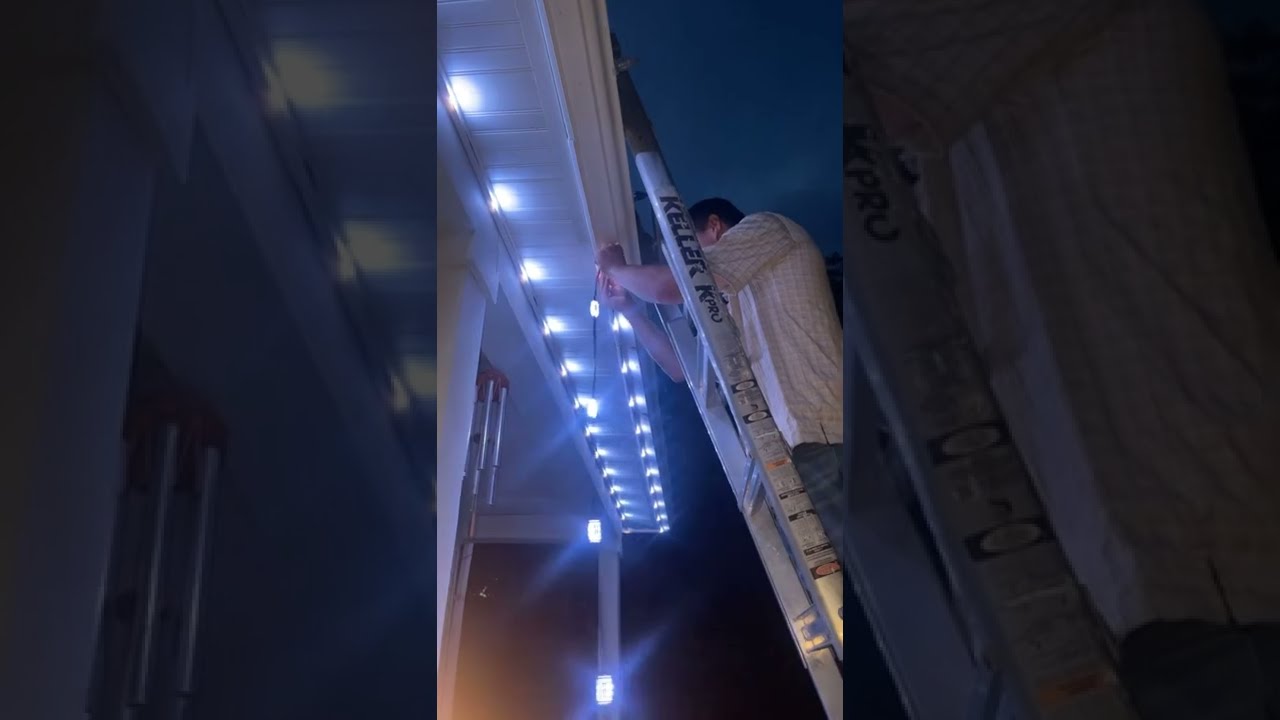
White homes can be deceptively difficult. Also awesome, and they look bluish. As well bright, and every shadow under the soffit comes to be extreme. A soft warm setup usually maintains the exterior from feeling clean and sterile, particularly if there are black or bronze home window structures including contrast.
Brick homes commonly look exceptional under warm white since the reds, browns, and earth tones deepen normally. The same chooses natural rock, though the specific result depends on whether the rock leans tan, gray, aficionado, or blue. With cedar or other timber aspects, warm light generally draws out richness that cooler LEDs strip away.
Roof color additionally matters more than many expect. Dark roof shingles can soak up light, which may make upper rooflines seem less pronounced. Light steel roofing can mirror much more strongly, so lowering ends up being vital. If there are shiny surface areas, consisting of garage doors or front windows near the illumination course, the installer might need to adjust spacing or outcome to manage hotspots.
Landscaping includes an additional layer. Cozy eave illumination over boxwoods, hydrangeas, or ornamental turfs often tends to really feel loosened up and property. Cooler tones can make vegetation look boring or strangely metallic. If your front backyard already has fully grown trees and layered growing beds, warm light usually helps preserve that depth.
Everyday setups should be quieter than most individuals think
One of the most effective functions of irreversible systems is programmability, and one of the biggest errors is utilizing too much of it frequently. A house does not require to execute every night.
For normal nights, the toughest scene is commonly easy: warm white, modest brightness, timed ahead on around sundown and taper later on in the evening. On homes in denser areas, that lower-output setting is not simply extra stylish, it is likewise extra considerate. Nobody wants a next-door neighbor's eaves glowing like a retail center at 11:30 p.m.
Scheduling can aid maintain the cozy impact. Early night can be a little more vibrant to support arrivals, pet strolls, and outdoor usage. Later, the system can lower immediately. Some home owners also set an extremely reduced over night scene for safety and aesthetic continuity, though this must be refined enough not to spill aggressively right into bedroom windows or throughout the street.
If the system supports areas, utilize them. The front access might be entitled to more emphasis than side elevations. A backyard eating location might call for a various heat level than the garage-facing road side. Those differences produce comfort because they follow exactly how people in fact utilize the property.
Cost, durability, and what to expect over time
Permanent lights is an investment, and it assists to approach it with sensible expectations. Pricing varies extensively based on home size, roof covering intricacy, ease of access, product quality, and regional labor rates. A simple single-story front elevation is something. A multi-gable two-story home with challenging gain access to, long runs, and numerous control areas is another.
The long-term value comes from sturdiness, comfort, and year-round usage. If the system replaces duplicated seasonal installs, reduce disposable hairs, and functions as daily building lighting, the economics come to be simpler to warrant. Yet home owners must still ask about service warranty terms, solution reaction, UV resistance, water ingress protection, and just how replacement components are handled.
LEDs typically last a long time, yet "long period of time" does not indicate "never ever needs attention." Controllers can fail. Connectors can loosen. Areas exposed to severe sunlight, ice, or storm debris might put on differently than protected runs. A respectable installer must be able to explain both the anticipated lifespan and the likely maintenance profile in simple language.
The homes that get this right usually select restraint
When an irreversible illumination task really feels unique, it is hardly ever due to the fact that the innovation is displaying. It is due to the fact that your house still feels like itself after dark, just better. The trim is gentler. The access is a lot more inviting. The entire home seems much more settled and cared for.
That is the genuine appeal of incorporating Classic Cozy Soft Lights with a well-executed Permanent LED Lighting Setup. You get the functional flexibility of Irreversible Holiday Lights without locking your home into a solitary seasonal identity. You can commemorate when you wish to commemorate, keep things subtle when you do not, and take pleasure in an outside that feels comfortable every evening of the year.
Cozy is not accidental. It originates from cozy tone, controlled brightness, cautious positioning, and an installer who understands exactly how to make illumination assistance style instead of control it. If those items are in location, the result is not just ornamental. It alters exactly how the house greets individuals, just how the veranda really feels at sunset, and exactly how typically you locate on your own glancing back at home before heading inside.